

Yamaha TMAX 560 Specifications: The Direct Answer
The Yamaha TMAX 560 is built around a 562cc liquid-cooled, four-stroke parallel-twin cylinder engine that produces roughly 47 horsepower (35 kW) at 7,000 rpm and 55 Nm of torque at 5,250 rpm, paired with a CVT automatic transmission. Curb weight sits close to 219 kg, the chassis is a die-cast aluminum twin-spar design, and top speed is rated at approximately 165 km/h. Every core engineering decision on this scooter, from the twin-cylinder layout to the aluminum frame, is aimed at one goal: closing the gap between a scooter's convenience and a mid-size motorcycle's road feel.
The sections below break down each specification category in detail, covering the engine and cylinder architecture, transmission behavior, chassis dynamics, braking hardware, wheels and tires, dimensions, fuel economy, ride modes, electronics, ownership costs, safety equipment, and how the standard 560 compares against the Tech MAX trim. A dedicated FAQ closes out the article for quick-reference lookups.
What makes this platform worth a detailed look is not any single number on a spec sheet, but how the pieces work together. A twin-cylinder engine alone does not make a scooter feel like a motorcycle; it takes a stiff aluminum frame, a properly tuned suspension, a transmission calibrated to avoid the rubber-band feeling common to CVT-equipped machines, and braking hardware that can handle the extra mass with confidence. The TMAX 560 has spent close to a quarter-century refining that combination, and the current generation represents the most mature version of that formula to date.
Engine Architecture and Cylinder Design Explained
At the heart of the platform is a 562cc parallel-twin cylinder engine with dual overhead camshafts (DOHC), four valves per cylinder, and electronic fuel injection. The two-cylinder layout is what separates this machine from most single-cylinder maxi scooters on the market. A parallel-twin configuration allows for a shorter stroke relative to bore, which lets the engine rev more freely and deliver power in a linear, predictable curve rather than the abrupt surge typical of larger single-cylinder units.
Why the Twin-Cylinder Layout Matters
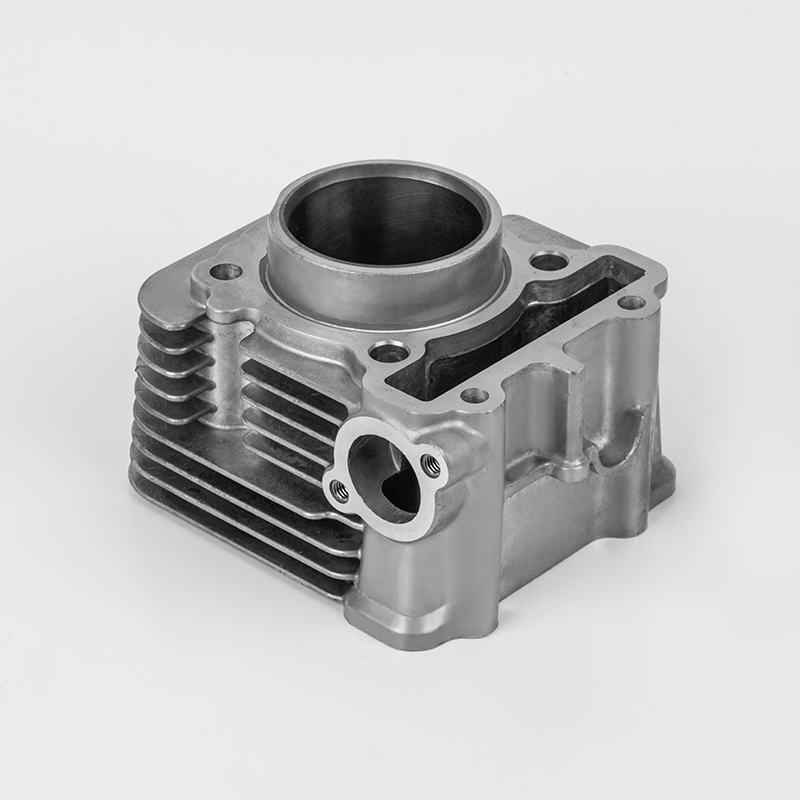
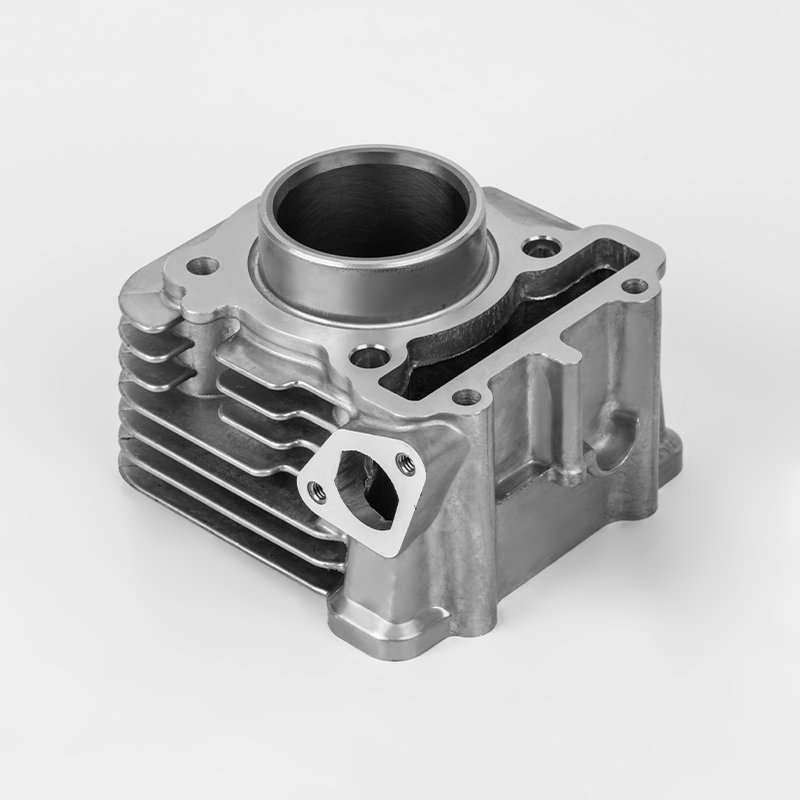
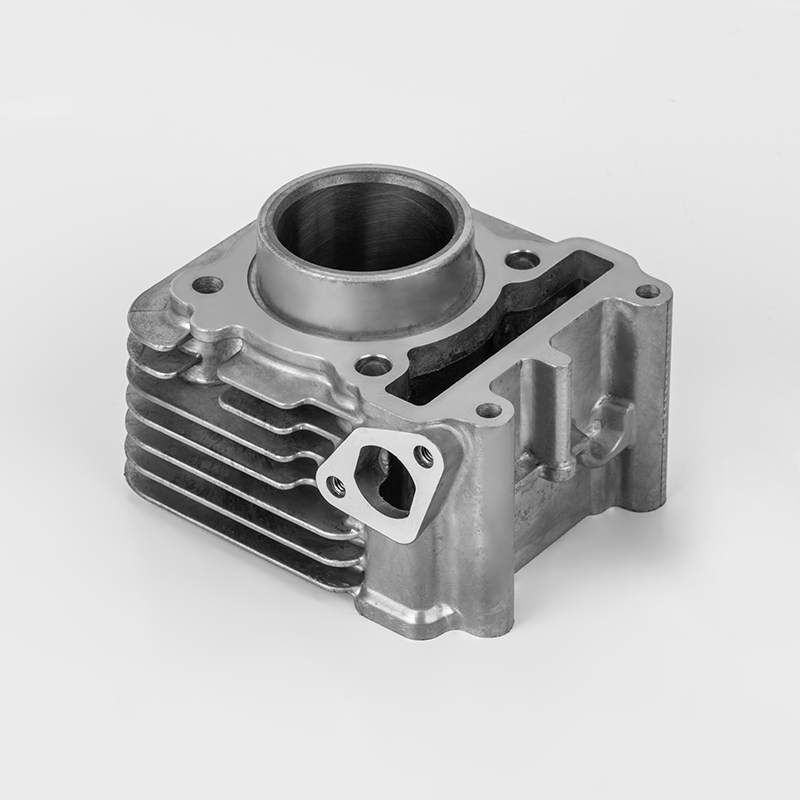
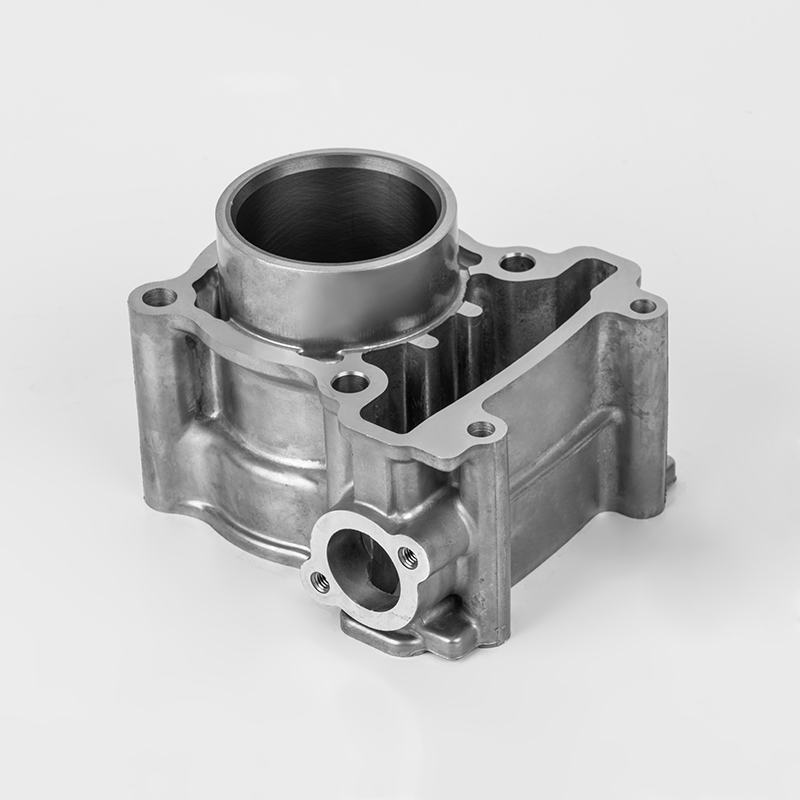
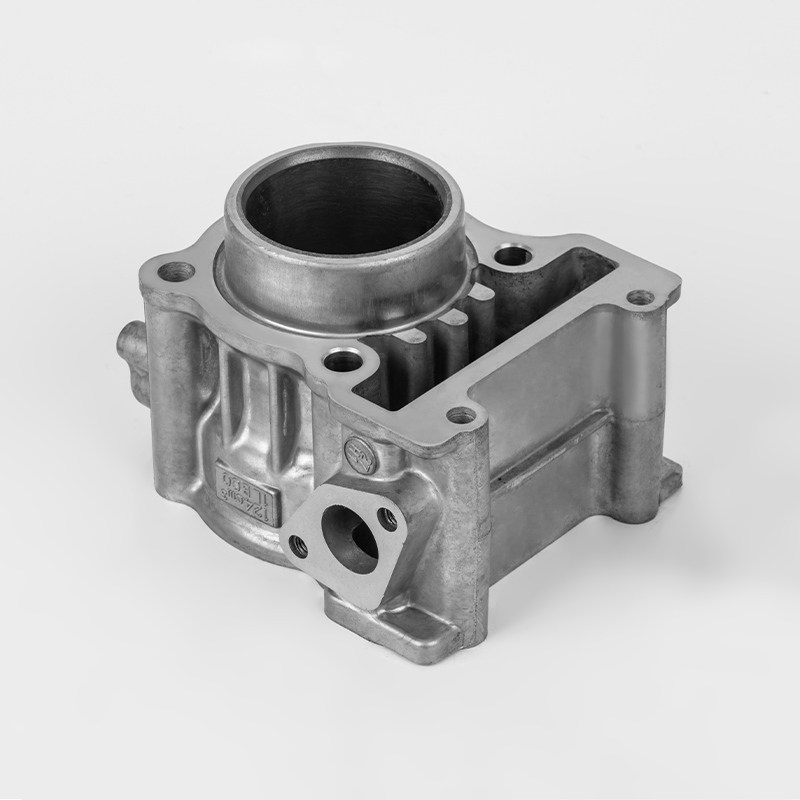
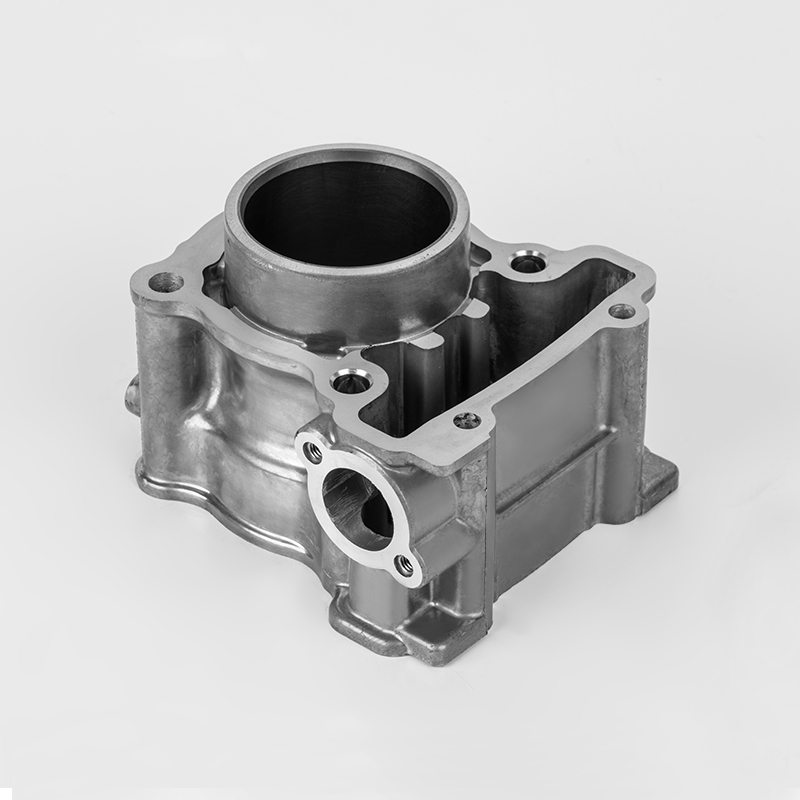
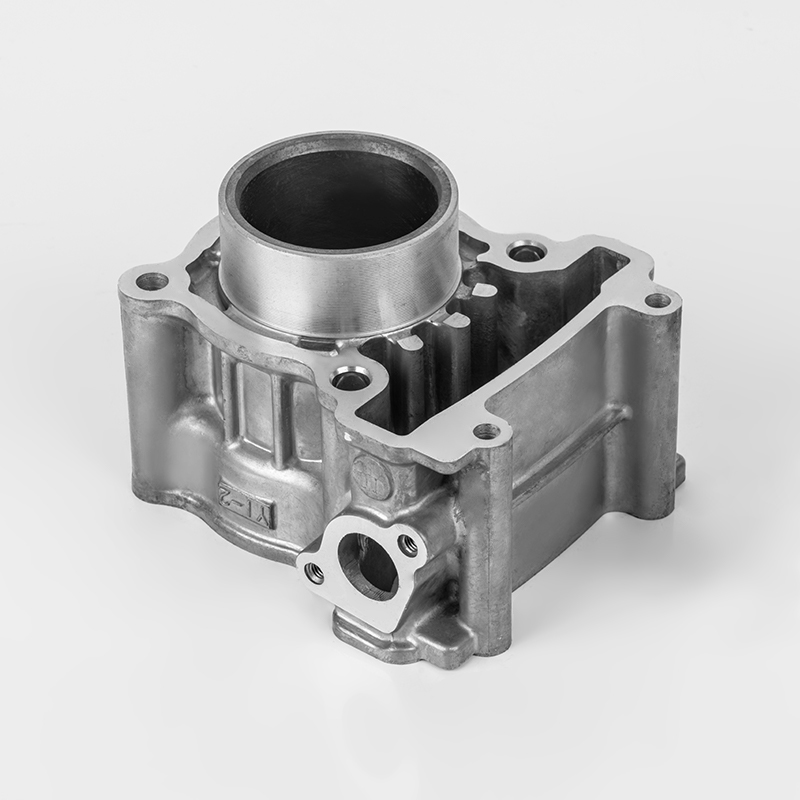
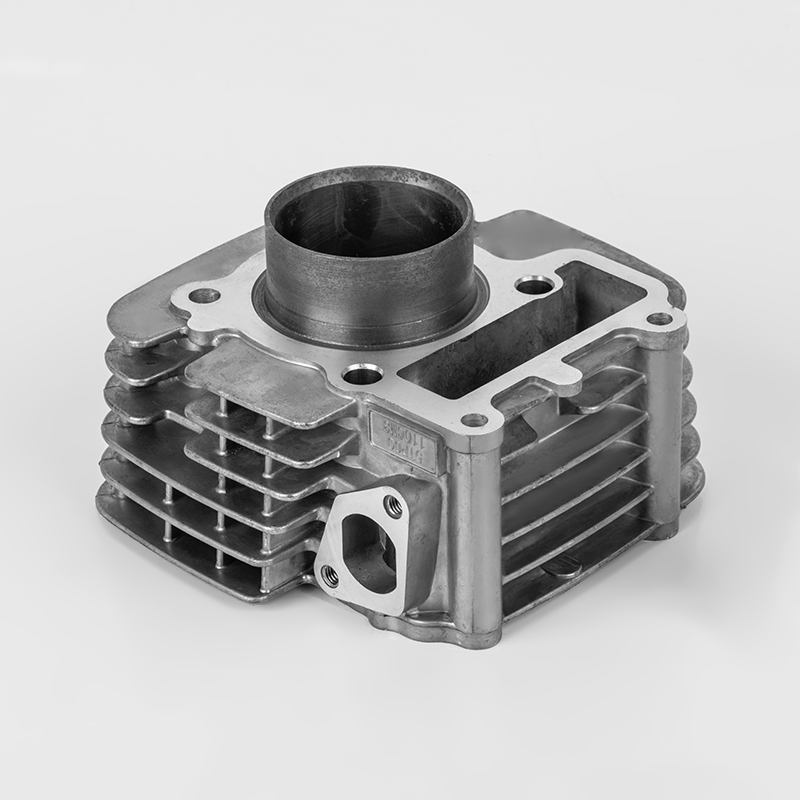
A twin-cylinder engine spreads combustion events more evenly across each crankshaft rotation, which reduces vibration at the handlebar and footboards. This is a meaningful comfort factor on a scooter meant for both short city hops and longer highway stints. Owners researching Yamaha Motorcycle Cylinder components for maintenance or replacement purposes will find that the twin arrangement also simplifies servicing, since each cylinder bank can often be inspected, gasketed, or re-ringed independently without a full engine teardown.
- Displacement: 562cc
- Configuration: Parallel-twin, four-stroke
- Valve train: DOHC, 4 valves per cylinder
- Cooling: Liquid-cooled
- Fuel delivery: Electronic fuel injection
- Emissions compliance: Euro5+
Peak output lands at 47 hp (35 kW) at 7,000 rpm with 55 Nm of torque arriving at 5,250 rpm. That torque figure is what actually matters day-to-day, since it defines how the scooter pulls away from a stop and merges onto fast-moving roads without hesitation. Because the power figure keeps the machine within reach of an A2 license bracket in most European markets, the engine is intentionally tuned rather than left at its theoretical maximum.
How the Engine Evolved Across Generations
The original TMAX launched in 2001 with a 499cc twin, a genuinely new idea at the time since no other manufacturer was building a scooter around a motorcycle-grade engine of that size. Displacement grew to 530cc in a later generation, then to the current 560/562cc unit, with each step bringing incremental gains in torque, refinement, and emissions compliance rather than a dramatic redesign of the base architecture. This kind of steady, generation-over-generation refinement is part of why the platform has such a long parts and service history, and why sourcing components for older units is generally straightforward compared with scooters that get redesigned from scratch every few years.
| Engine Detail | Value |
|---|---|
| Displacement | 562cc |
| Maximum power | 47 hp (35 kW) at 7,000 rpm |
| Maximum torque | 55 Nm at 5,250 rpm |
| Cylinder arrangement | Parallel-twin, forward-inclined |
| Valve train | DOHC, 4 valves per cylinder |
| Cooling system | Liquid-cooled with dedicated radiator |
| Emissions standard | Euro5+ |
Transmission and Clutch Behavior
Power reaches the rear wheel through a CVT (continuously variable transmission) paired with a dedicated clutch and exhaust tuned specifically for this engine generation. Unlike many budget scooters where the CVT belt and variator feel disconnected from throttle input, the TMAX setup is tuned to minimize belt slip and lag, so acceleration feels closer to a direct, linear pull rather than the rubber-band sensation that gives CVT-equipped vehicles a reputation for vagueness.
What Makes This CVT Different
- Dedicated clutch tuned to the twin-cylinder power curve
- Reinforced belt rated for sustained highway-speed operation
- Variator weights calibrated for smooth low-speed rollaway
- Reduced engine braking harshness compared to earlier generations
Because there is no manual gear selection, all the rider controls is throttle input and, on models equipped with ride modes, how aggressively the electronics respond to that input. The CVT's own wear items, primarily the belt and rollers, have a service interval separate from the engine's own maintenance schedule, and neglecting either one tends to show up as hesitation off the line before any other symptom appears.
Chassis, Suspension and Handling Dynamics
The frame is a die-cast aluminum twin-spar structure, a design borrowed directly from motorcycle engineering rather than typical scooter platforms. This is paired with an inverted front fork and an extended swingarm at the rear, both of which contribute to stability at speed and confidence when leaning into corners.
| Chassis Element | Specification |
|---|---|
| Frame type | Die-cast aluminum twin-spar |
| Front suspension | Inverted telescopic fork |
| Rear suspension | Extended swingarm, dual shock configuration |
| Wheelbase | 1,575 mm |
| Ground clearance | 135 mm |
The extended swingarm design does two things simultaneously: it lengthens the wheelbase slightly for high-speed stability, and it keeps the rear suspension travel consistent even when the CVT transmission is under load. Combined with a low center of gravity from the underseat engine placement, the scooter remains genuinely maneuverable in low-speed traffic despite its size and weight.
How the Aluminum Frame Changes the Ride
Most scooters, even large-displacement ones, are built around tubular steel frames because they are cheaper to produce. Yamaha's decision to use die-cast aluminum on the TMAX platform adds rigidity without adding proportional weight, which is part of why a scooter weighing over 200 kg can still feel composed when tipped into a fast sweeping corner. The trade-off is manufacturing cost, which is reflected in the TMAX's positioning as a premium model rather than a budget commuter.
Wheels, Tires and Rolling Stock
The TMAX 560 rides on cast aluminum wheels paired with a wider rear tire than most scooters in its class, a setup borrowed more from sport-touring motorcycle practice than typical scooter design. Wider contact patches front and rear translate into more predictable grip under braking and through corners, particularly in wet conditions where tire compound and tread design matter as much as raw width.
Tire and Wheel Notes
- Cast aluminum wheels front and rear
- Wider rear tire section for improved traction under acceleration
- Tubeless tire construction for simpler puncture repair
- Sport-touring tread pattern balancing wet grip and mileage
Tire pressure has an outsized effect on how planted the TMAX feels at speed, given its weight. Riders who let pressures drift low often report vague steering response long before they notice uneven tread wear, so checking pressure monthly, rather than only when a tire looks visibly low, is one of the simplest ways to keep the chassis behaving the way it was engineered to.
Braking System and Electronic Rider Aids
Braking duties are handled by dual front discs with radial calipers and a rear disc, all managed through an ABS system tuned specifically for scooter dynamics. Layered on top of that is Yamaha's Brake Control (BC) system, which adjusts front and rear brake distribution automatically based on lean angle and deceleration rate, helping maintain stability during hard braking, including mid-corner.
Rider Assistance Features
- Anti-lock Braking System (ABS)
- Brake Control (BC) system for lean-sensitive braking
- Traction Control System (TCS)
- Cruise Control (Tech MAX trim)
- Multiple ride modes for throttle response tuning
This layered approach to braking electronics is unusual for the scooter class and closer to what riders would expect from a mid-size sport-touring motorcycle. In practical terms, the BC system reduces the chance of front-wheel lockup during a panic stop taken while leaned over, a scenario that traditionally causes low-speed drops on two-wheelers.
Why Radial Calipers Matter Here
Radial-mount calipers are stiffer than the axial-mount designs found on most scooters, which reduces flex under hard braking and gives a firmer, more consistent lever feel. On a machine carrying over 200 kg plus rider weight, that stiffness translates directly into shorter, more predictable stopping distances, especially during repeated hard braking on a descent where caliper flex and fade become more noticeable.
Ride Modes and Throttle Mapping
The TMAX 560 lineup offers selectable ride modes, typically labeled Sport and Urban (sometimes T-MODE), which adjust throttle response curves rather than peak power output. Sport mode sharpens initial throttle pickup for quicker response off the line and during overtakes, while Urban mode softens the same input for smoother, more relaxed low-speed riding in traffic.
Choosing the Right Mode for the Situation
| Mode | Best Suited For |
|---|---|
| Sport | Overtaking, spirited riding, open roads |
| Urban | Stop-and-go traffic, wet or low-grip conditions |
Because the mode selection only changes throttle mapping and not the traction control threshold on most units, riders should not treat Urban mode as a substitute for reduced speed in genuinely low-grip situations such as wet leaves or gravel-strewn corners. The electronics assist the rider; they do not replace judgment about road conditions.
Dimensions, Weight and Ergonomics
Overall length comes in at 2,195 mm, with a width of 780 mm. Curb weight, fully fueled, is approximately 219 kg, which is heavier than a typical single-cylinder 300cc scooter but noticeably lighter per horsepower than most touring motorcycles in the same power bracket.
Length: 2,195 mm
Width: 780 mm
Wheelbase: 1,575 mm
Ground clearance: 135 mm
Curb weight: 219 kg
Seating: 2 seats, tiered rider/passenger positions
Underseat storage is generous enough to fit a full-face helmet, or two jet-style helmets depending on shape, plus small groceries or a soft bag. The seat height and footboard placement are designed for riders across a wide range of heights, and the adjustable windscreen (on Tech MAX variants, up to 110 mm of travel) lets riders dial in wind protection for both city commuting and longer motorway stretches.
Fuel Efficiency and Real-World Range
Despite the twin-cylinder engine and additional weight compared to single-cylinder rivals, the TMAX 560 maintains reasonable fuel economy thanks to fuel injection tuning and Euro5+ compliant combustion management. Most owners report real-world consumption in the range that yields a usable riding range per tank suitable for weekly commuting without frequent refueling stops, though exact figures vary with riding style, traffic conditions, and whether the rider stays in Sport or Urban throttle mode.
Factors That Affect Fuel Consumption
- Riding mode selection (Sport vs Urban)
- City stop-and-go traffic versus steady highway cruising
- Passenger and cargo load
- Tire pressure and maintenance interval adherence
Keeping the twin-cylinder engine within its recommended service intervals, including oil changes and valve clearance checks, has a measurable effect on long-term fuel efficiency. Neglected valve clearances or worn components tend to push consumption higher well before any dramatic performance loss becomes noticeable.
Technology, Connectivity and Instrumentation
A 7-inch full-color TFT display anchors the cockpit, offering multiple display layouts and full-map Garmin navigation through the Garmin Motorize app, available at no extra cost in most supported regions. The MyRide companion app extends this further, allowing riders to manage incoming calls and music playback directly from the dashboard.
Standout Technology Features
| Feature | Function |
|---|---|
| 7-inch TFT dash | Full-map navigation, ride data, connectivity status |
| Smart Key | Keyless ignition, seat/tank release, steering lock |
| Garmin Motorize | Free full-map turn-by-turn navigation |
| MyRide app | Call and music management via handlebar controls |
The Smart Key system removes the need for a physical key in normal operation, handling ignition, seat release, tank access, and the steering lock through proximity sensing. This kind of integration is more commonly seen on premium touring motorcycles, reinforcing how the TMAX platform borrows heavily from motorcycle-grade engineering rather than typical scooter parts bins.
TMAX 560 vs TMAX Tech MAX: Key Differences
Both models share the identical 562cc twin-cylinder engine, chassis, and core electronics package. The differences are concentrated in comfort and convenience equipment rather than performance.
| Feature | TMAX 560 | TMAX Tech MAX |
|---|---|---|
| Engine and power | 562cc, 47 hp | 562cc, 47 hp |
| Seat and grips | Standard | Heated seat and heated grips |
| Windscreen | Fixed or manually adjustable | Electronically adjustable, 110 mm travel |
| Cruise control | Not included | Included |
| Color options | Icon Blue | Ceramic Grey, Crystal Graphite |
Maintenance Considerations for the Twin-Cylinder Engine
Owning a twin-cylinder scooter engine comes with maintenance patterns that differ somewhat from single-cylinder machines. Valve clearance inspections, spark plug replacement per cylinder, and coolant checks all follow a schedule tied to mileage rather than calendar time, and skipping intervals tends to show up first as rougher idle or a slight drop in throttle response.
What to Watch For in Cylinder Health
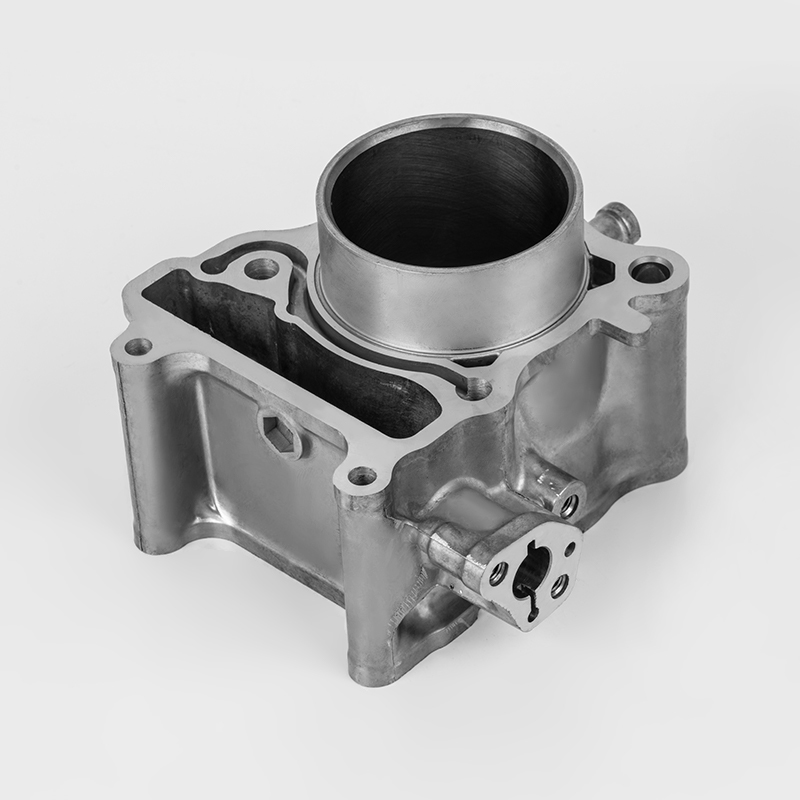
Because the engine runs two cylinders working in tandem, uneven wear between them is one of the first signs something needs attention. Riders sourcing Yamaha Motorcycle Cylinder gaskets, rings, or head components for servicing should match part numbers to the specific engine generation, since the TMAX platform has gone through multiple displacement updates over its production history, from the original 500cc unit to the current 560/562cc version.
- Compression differences between the two cylinders can indicate ring or valve seat wear
- Coolant loss without visible leaks often points to a head gasket issue
- Irregular idle at operating temperature can signal an injector or valve clearance problem on one cylinder
- Routine oil analysis can catch early cylinder wear before performance is affected
Sticking to the manufacturer's recommended service intervals is the single most effective way to preserve both cylinders' compression and keep the CVT transmission working with consistent power delivery from the engine.
Typical Service Interval Reference
| Service Item | General Guidance |
|---|---|
| Engine oil and filter | Every 6,000 to 10,000 km depending on riding conditions |
| Valve clearance check | Every 20,000 to 24,000 km |
| CVT belt inspection | Every 20,000 km, replacement as needed |
| Coolant replacement | Every 3 years or per manufacturer schedule |
| Brake fluid | Every 2 years |
Ownership Costs and Long-Term Value
Total cost of ownership on a large-displacement scooter like the TMAX 560 breaks down into a few predictable categories: routine maintenance, tires, insurance, and depreciation. Because the engine shares core architecture with earlier TMAX generations, parts availability tends to remain strong for years after a given model year stops being current, which keeps long-term maintenance costs more predictable than with platforms that get redesigned frequently.
Where the Money Actually Goes
- Tires: the wider rear tire and higher performance compound wear faster than economy scooter tires but last longer under normal use than sport motorcycle tires
- Insurance: typically priced closer to a mid-size motorcycle than a small scooter, given the performance envelope
- Routine servicing: oil, filters, and CVT components at manufacturer-recommended intervals
- Depreciation: historically gentler than average thanks to strong resale demand and the model's long production history
Resale values for the TMAX line have historically held up better than many rivals, partly because the platform's reputation for durability reduces buyer hesitation in the used market, and partly because Yamaha has kept the core design recognizable across generations rather than making older models feel instantly outdated.
Safety Equipment and Rider Protection
Beyond ABS, Brake Control, and traction control, the TMAX 560 platform includes passive safety elements that matter just as much in daily riding: wide, stable footboards, a low seat-to-footboard relationship that keeps the rider's center of gravity manageable at a stop, and a windscreen designed to reduce helmet buffeting at speed rather than simply blocking wind at the chest.
Passive and Active Safety Features
- Dual front disc brakes with radial calipers
- ABS tuned specifically for the scooter's weight distribution
- Brake Control system for lean-angle-aware braking assistance
- Traction control to manage rear wheel slip on low-grip surfaces
- LED lighting throughout for improved visibility to other road users
- Wide, low footboards that support stable footing at stops
None of these systems remove the basic responsibilities of defensive riding, proper gear, and respecting the scooter's weight when maneuvering at walking speed, but together they represent one of the more comprehensive safety packages available on a two-wheeled vehicle in this segment.
Frequently Asked Questions
What is the top speed of the Yamaha TMAX 560?
The TMAX 560 is rated at approximately 165 km/h (102 mph) under standard test conditions, though real-world top speed can vary slightly with rider weight, wind conditions, and altitude.
How many cylinders does the Yamaha TMAX 560 have?
It uses a parallel-twin, two-cylinder, four-stroke engine displacing 562cc, with liquid cooling and DOHC valve actuation.
What license category is required to ride the TMAX 560?
In most European markets, the tuned power output places the TMAX 560 within reach of an A2 license bracket, though local licensing rules vary and should be confirmed with a regional authority before purchase.
How much does the Yamaha TMAX 560 weigh?
Curb weight is approximately 219 kg fully fueled and ready to ride.
What is the main difference between the TMAX 560 and TMAX Tech MAX?
Both share the identical engine and chassis. The Tech MAX adds a heated seat, heated grips, an electronically adjustable windscreen, and cruise control as its primary upgrades.
Does the TMAX 560 have traction control?
Yes, traction control is included as part of the standard electronic rider aid package alongside ABS and Brake Control.
What kind of storage does the TMAX 560 offer?
The underseat compartment is large enough for a full-face helmet or two jet-style helmets, along with additional small items, depending on their exact size and shape.
Is the Yamaha TMAX 560 good for long-distance highway riding?
Yes. The combination of a twin-cylinder engine with linear torque delivery, a stable aluminum chassis, and (on Tech MAX models) an adjustable windscreen and heated grips makes it capable of sustained motorway cruising well beyond what typical scooters are designed for.
What is the fuel tank capacity of the TMAX 560?
The fuel tank is sized to give a practical riding range for weekly commuting and weekend touring without frequent stops, though exact figures should be confirmed against the specific model year, since capacity has been adjusted slightly across generations.
Can the TMAX 560 be ridden two-up comfortably?
Yes, the scooter is designed with a tiered two-seat layout, and the suspension and frame are engineered to handle passenger weight without significant compromise to handling, though rear shock preload may need adjustment for consistent two-up loads.
How does the CVT transmission affect maintenance compared to a manual gearbox?
The CVT eliminates clutch and gear-shifting maintenance entirely, but introduces its own wear items, namely the drive belt and variator rollers, which need periodic inspection and eventual replacement as part of routine servicing.
What is the difference between the 560cc engine and the earlier 530cc generation?
The 560/562cc unit represents an evolution of the 530cc platform with revised internals for slightly more torque, updated emissions compliance to Euro5+ standards, and refinements to the dedicated clutch and exhaust system for smoother delivery.
Does the TMAX 560 require special tools for cylinder or valve servicing?
As with most modern liquid-cooled twin-cylinder engines, valve clearance checks and cylinder head work require standard motorcycle-grade tools and torque specifications from the official service manual; attempting this work without the correct specifications risks improper clearances and reduced engine life.
Is the Yamaha TMAX 560 available with heated grips and seat as standard?
Heated grips and a heated seat are standard equipment on the Tech MAX trim, while the base TMAX 560 does not include them, though many owners add aftermarket heated grip kits.